

What if you heard a poem from the perspective of a plant? Or from someone in history, or even an entirely made-up character? These imaginative questions are the realm of persona poems. A persona poem is when the poet assumes the position of another voice or entity, thus creating a character, or “persona,” in the poem from which to express emotions, ideas, and perspectives.
The following persona poems from Voca engage with and stretch the possibilities of persona to illustrate the elasticity of this approach to poetry: how it can relieve the poet from their own voice and compel readers to imagine the perspective of another, while continuing to engage in poetry’s ability to translate experiences that often feel out of reach.
One will notice that each of these examples remain grounded in specificity—indeed, one can even argue that specificity rests at the heart of the persona poem, allowing for an informed precision that protects against inaccurate, potentially harmful generalizations. Each of the poets in these selections exhibit a sense of intimate knowledge with the adopted persona, and thus provide a model for intentional, well-researched persona poems.
These persona poems are just a sampling Voca’s offerings. Browse the following tags for more persona and persona-adjacent examples: persona poem, persona, persona poems, personification, characters.
If diving into all of Voca sounds daunting, check out this playlist that comprises of the persona poems featured here, as well as others. In encountering persona poems from the archive and in composing your own, let yourself be moved by the possibility that when writing poems, we can channel our voices to speak beyond ourselves.
A modern powerhouse of the persona poem is the poet Ai. Her work engages persona as well as dramatic monologue, conjuring a sense of stakes around the speaker’s perspective. The poetic result is reminiscent of witnessing a character from a play express vulnerability onstage. In her poem “The Journalist,” Ai delves into the mind of a Vietnam War-era journalist of her own creation yet most likely adapted from her own research, since the photo of the self-immolating nun described by the speaker of the poem evokes the photograph of monk Thích Quang Duc doing the same in 1963, for which the photojournalist Malcolm Browne won the Pulitzer Prize for International Reporting.
Prompt: Pick a profession that is not your own, as Ai does with the figure of the journalist in this poem. Take the time to read a few articles about that profession and use your observations as a jumping-off point for a persona poem. What does this person witness on the job that might impact them?
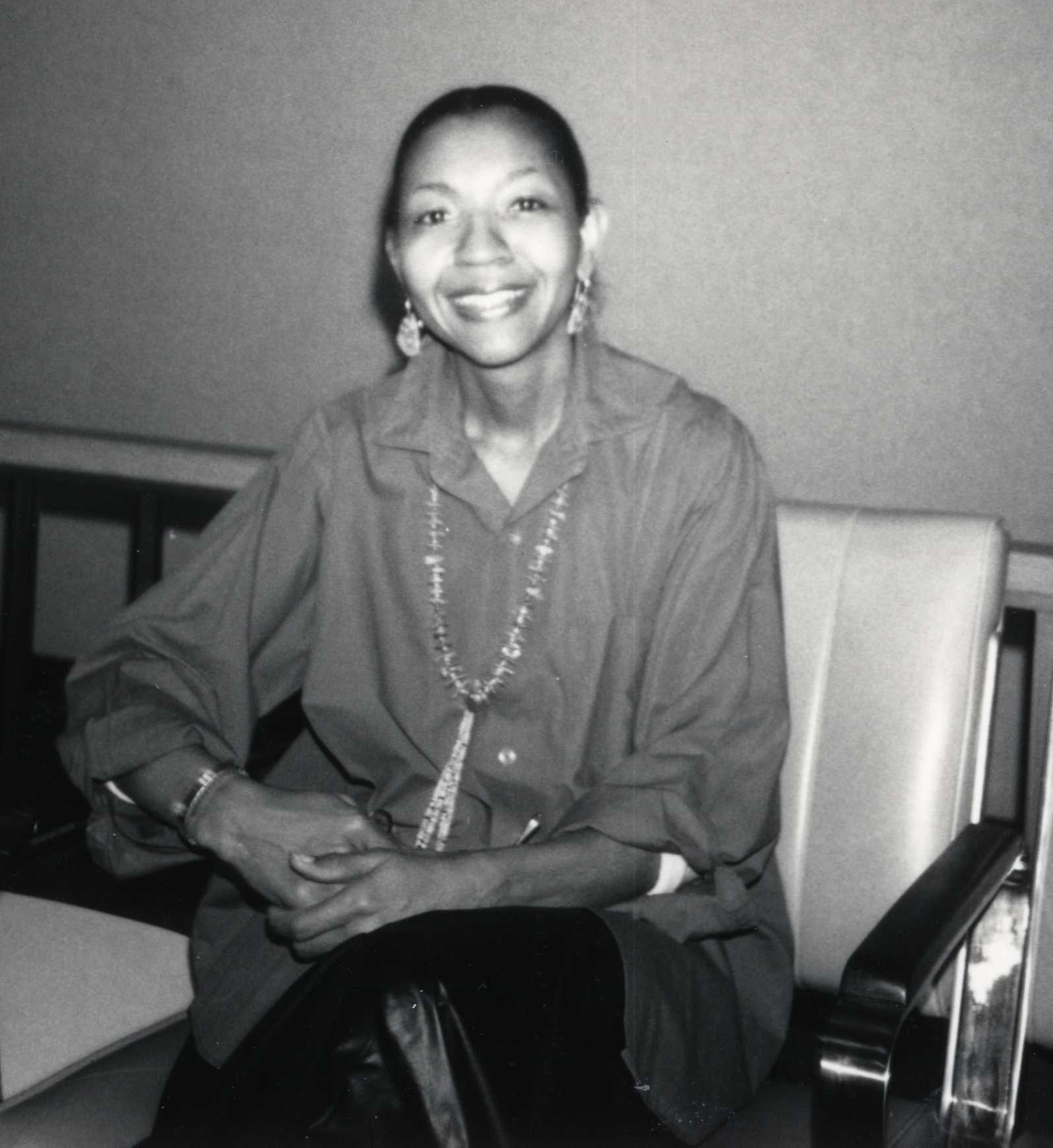
In her poem “Letter to an Exile,” Claribel Alegría channels the persona of Penelope from the Odyssey. In choosing to adopt the persona of a mythological figure, Alegría allows readers to experience the well-known plot of the Odyssey from one of its side characters, thus reorienting the myth from her perspective. This poem is an example of how poets use persona to inject canonical, widely popularized myths and narratives with perspectives that were not centered at the time of the story’s creation.
Prompt: Imagine a character from a popular story, or a story you know well, whose perspective the audience does not hear from. What would their thoughts on the events of the story be?
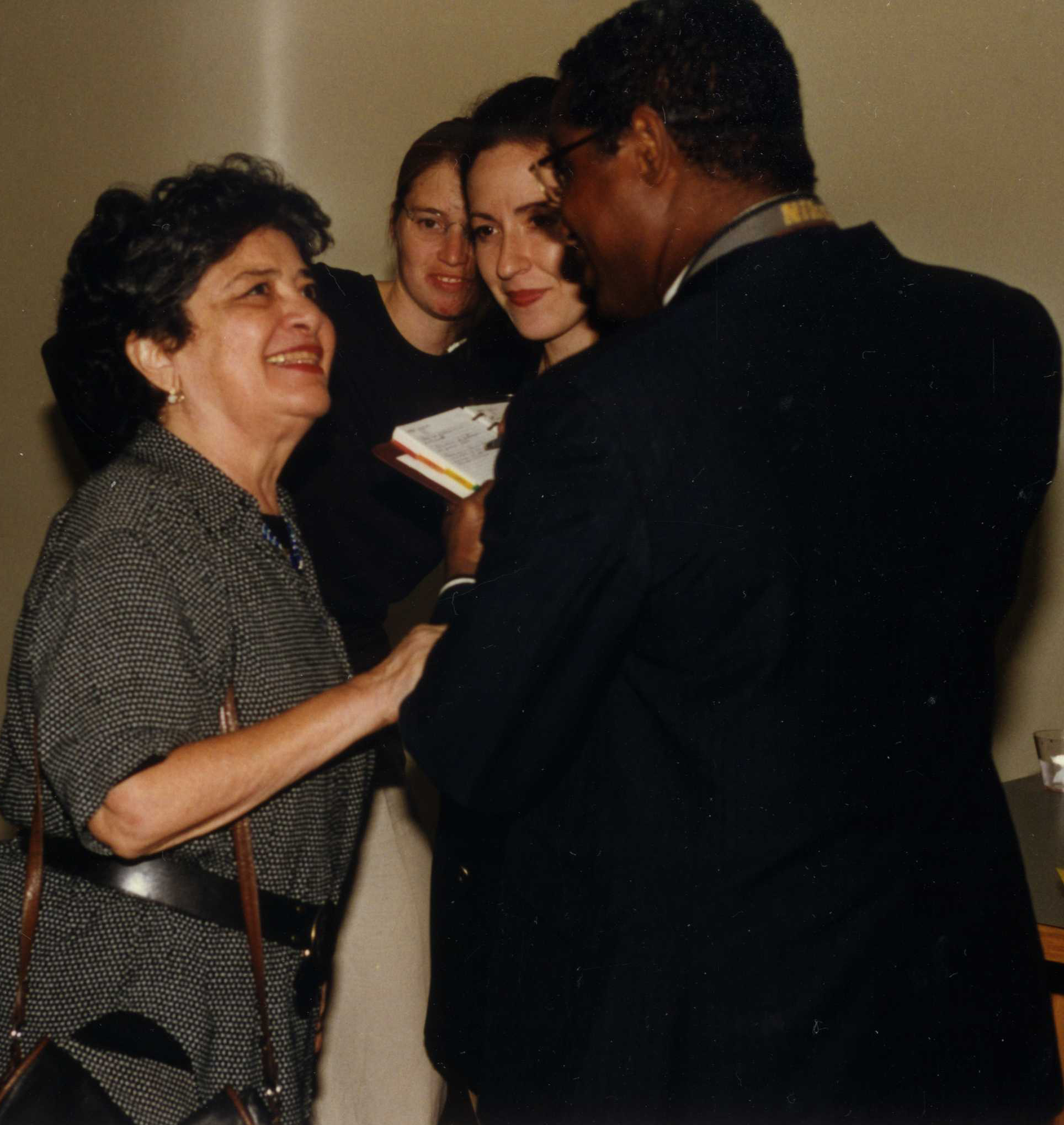
Read in English. Differs from published version.
Alegría, Claribel. Fugues. Trans. D.J. Flakoll. Willimantic, CT: Curbstone Press, 1993.
The persona form can also emerge from researching a real-life figure from the past and bringing them to life through a poem. Paisely Rekdal does exactly this in her poem “Heroic,” a poem invoking the voice of Helen Holmes, an actress from the silent film era of Westerns who did her own stunts and upended the stereotype about women as helpless and in need of saving.
Prompt: Is there a person from history who you were surprised to learn about recently? If so, imagine what they would say in a poem. If no specific person comes to mind, think of an era that fascinates you, and make up a character of your own who might speak from that time period.
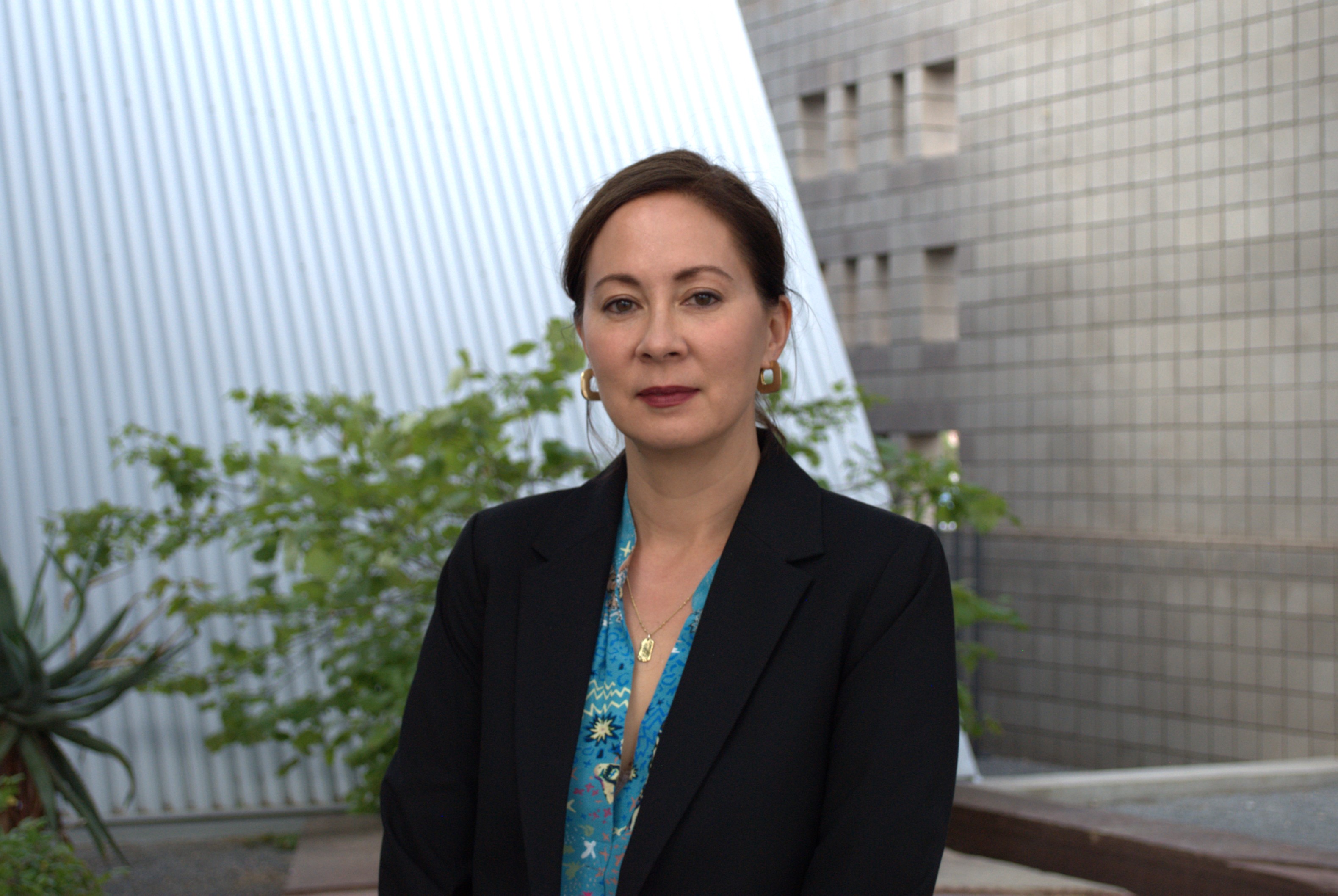
Rekdal, Paisley. West: A Translation. Port Townsend, WA: Copper Canyon Press, 2023.
Persona poems do not always have to be based on characters or real events. In fact, they do not have to be based on people at all! Plants, animals, and even objects can serve as rich inspirations for a persona poem. Take “Sonoran Whiptail Lizard: Personal Ad” by Valerina Quintana, which combines facts about the Sonoran Whiptail lizard’s behaviors and its desert habitat with the format of a personal dating ad.
Prompt: Think of an animal, plant, or inanimate object that matters to you, or that fascinates you. If you could write out their thoughts and perspectives in a poem, what would they say?
Quintana, Valerina. "Sonoran Whiptail Lizard: Personal Ad." Spiral Orb 5 (2012): n. pag. Web. 26 April 2012.
An especially deft example of the persona poem mode is Terrance Hayes’ "The Poet Ai as Dylann Roof." This poem is a tribute to the horror that befell the Emanuel African Methodist Episcopal Church on June 15, 2015 when a white supremacist opened fire after attending a Bible study and killed nine people, all of them African American. Another homage within the poem is to the poet Ai and her ability to harness the voices of figures who have committed atrocities and unflinchingly delve into their psyches. In describing his approach to writing about the shooting, particularly as an African American and South Carolinian himself, Hayes remarks how Ai is “the only model” of a poet “that look[s]…in the mouth of a violent act.” The result is a layering of personas that dives into what might have triggered the tragic event.

Uncollected, unpublished.
